
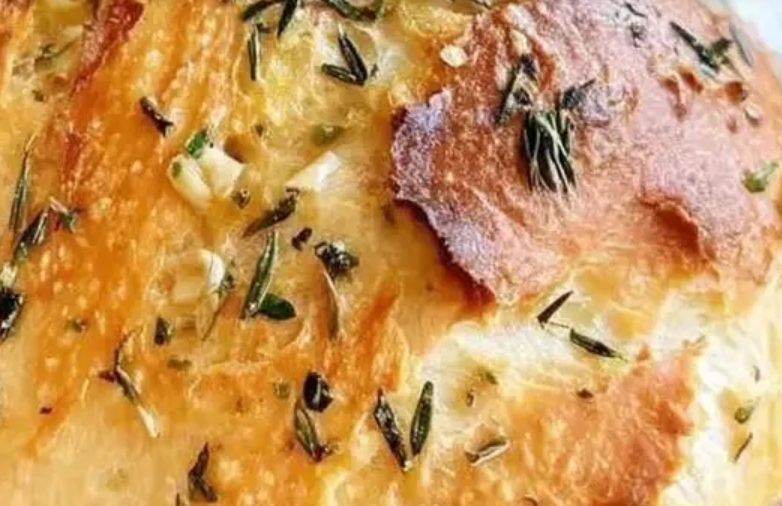
Soft & Fluffy Gluten-Free Sandwich Bread (Easy Homemade Recipe)
Making gluten-free bread at home doesn’t have to be difficult or disappointing. This soft, fluffy gluten-free sandwich bread is light, tender, and perfect for toast, sandwiches, or everyday use. With the right flour blend and proper technique, you’ll get consistent, bakery-quality results—even without gluten.
This recipe uses simple pantry ingredients, requires only one rise, and is designed specifically for gluten-free baking success.
Why You’ll Love This Gluten-Free Bread
- Soft and fluffy texture (not dense or gummy)
- One rise only (easy & beginner-friendly)
- Perfect for sandwiches and toast
- Dairy-free adaptable
- No kneading required
Ingredients
Dry Ingredients
- 3 cups (420 g) gluten-free all-purpose flour blend
(Must contain rice flour, starches, and xanthan gum or guar gum) - 2 tablespoons sugar or honey
- 2 teaspoons instant yeast
- 1 teaspoon salt
Wet Ingredients
- 1¼ cups warm water (40–43°C / 105–110°F)
- 3 tablespoons olive oil or vegetable oil
- 2 large eggs, room temperature
Optional Ingredients (Highly Recommended for Best Texture)
- 1 tablespoon apple cider vinegar (improves rise and softness)
- 2 tablespoons milk powder or dairy-free milk powder
Equipment Needed
- Large mixing bowl
- Measuring cups and spoons
- Whisk or wooden spoon
- Electric mixer (recommended but optional)
- 9 × 5-inch (23 × 13 cm) loaf pan
- Parchment paper
- Clean kitchen towel
Step-by-Step Instructions
STAGE 1: Yeast Activation
- Pour warm water into a bowl.
- Add sugar (or honey) and instant yeast.
- Stir gently and let rest for 5–10 minutes.
What to Look For:
The mixture should become foamy and bubbly.
If no foam forms, the yeast is inactive and must be replaced.
STAGE 2: Mixing Dry Ingredients
In a large mixing bowl, add:
- Gluten-free flour blend
- Salt
- Milk powder (if using)
Whisk thoroughly to evenly distribute the ingredients.
This step is critical because gluten-free flours are uneven and must be well mixed.
STAGE 3: Adding Wet Ingredients
- Pour the activated yeast mixture into the dry ingredients.
- Add:
- Oil
- Eggs
- Apple cider vinegar (if using)
- Mix with a spoon or electric mixer on medium speed for 3–4 minutes.
Important Texture Note
Gluten-free dough will look like a thick batter, not traditional dough.
Do not add extra flour.
STAGE 4: Transferring to the Loaf Pan
- Line the loaf pan with parchment paper or grease it well.
- Pour the batter into the pan.
- Smooth the top using a wet spatula or spoon.
Even smoothing ensures a uniform rise and nice loaf shape.
STAGE 5: First and Only Rise
- Cover the pan loosely with a clean towel.
- Place in a warm, draft-free area.
- Let rise for 35–50 minutes.
Rising Rule for Gluten-Free Bread
- Dough should rise 50–70%, not double.
- Over-rising causes collapse during baking.
STAGE 6: Preheating the Oven
- Preheat oven to 180°C (350°F)
- Place oven rack in the center position
Gluten-free bread needs steady, even heat for proper structure.
STAGE 7: Baking the Bread
- Place the loaf pan in the preheated oven.
- Bake for 45–50 minutes until:
- The top is golden brown
- The loaf sounds hollow when tapped
- Internal temperature reaches 96–99°C (205–210°F) if tested
If browning too quickly, loosely cover with foil during the last 10 minutes.
STAGE 8: Cooling (Very Important)
- Remove bread from oven.
- Let cool in the pan for 10 minutes.
- Transfer to a wire rack and cool completely before slicing.
Slicing hot gluten-free bread will cause gumminess.
Tips for Perfect Gluten-Free Bread
- Always use a certified gluten-free flour blend
- Room-temperature eggs improve texture
- Vinegar strengthens structure and improves rise
- Never knead gluten-free dough
- Store properly to maintain softness
Storage & Freezing
- Room Temperature: 1–2 days (wrapped tightly)
- Refrigerator: Up to 5 days
- Freezer: Slice and freeze up to 2 months
Toast slices directly from frozen for best results.
Common Gluten-Free Bread Problems (Solved)
- Dense bread: Yeast inactive or under-mixed
- Collapsed loaf: Over-risen dough
- Gummy texture: Bread sliced too early or underbaked
- Dry bread: Too much flour or not enough fat
Final Thoughts
This homemade gluten-free sandwich bread proves that gluten-free baking can be easy, reliable, and delicious. With the right ingredients and method, you’ll enjoy soft slices perfect for sandwiches, toast, and everyday meals.