
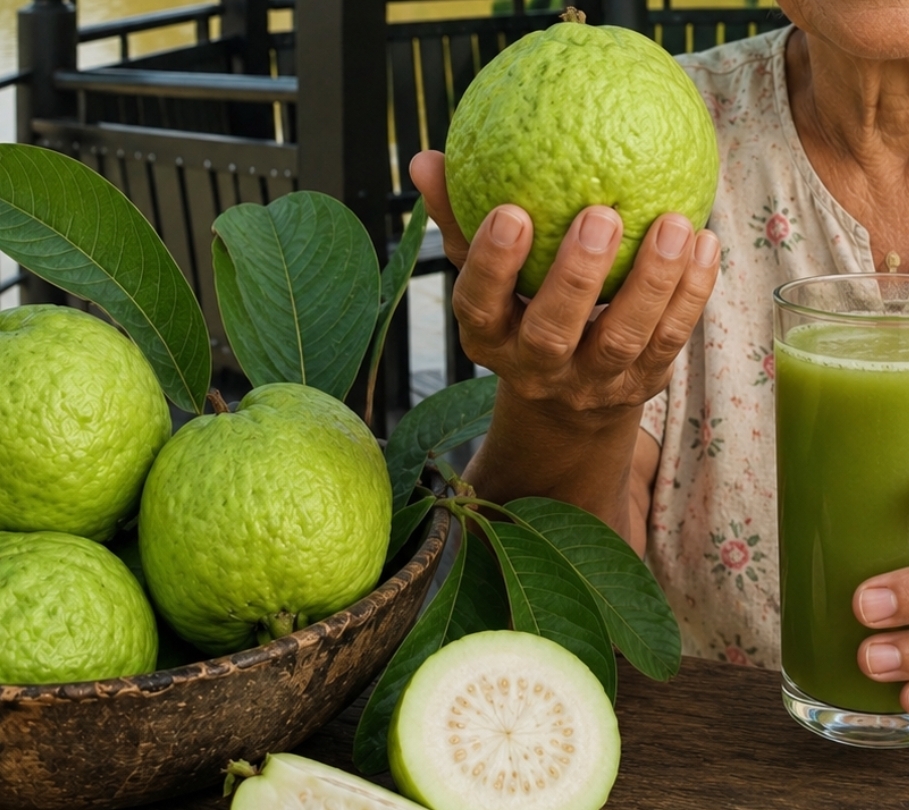
Guava Does Not Simply Sweeten — It Helps Regulate Sugar
One of the most important benefits of guava comes from its fiber content. Fiber slows down the absorption of sugar into the bloodstream, helping prevent sudden spikes and crashes in glucose levels.
Instead of overwhelming the body with a rapid sugar surge, guava encourages a steadier digestive process. Many people notice that after eating fiber-rich foods like guava, they feel less sleepy and heavy after meals.
Think of it like organizing traffic during rush hour. Without enough fiber, glucose floods the bloodstream too quickly. With proper fiber intake, everything moves more smoothly and efficiently.
A Natural Break for the Pancreas
The pancreas works hard every day to produce insulin and keep blood sugar under control. Years of unhealthy eating habits and repeated glucose spikes can place extra stress on this important organ.
Guava contains antioxidants that may help reduce oxidative stress in the body. These antioxidants act like tiny cleaners that help protect cells involved in insulin production.
When the body experiences less oxidative stress, the pancreas may function more comfortably and efficiently. Some people report fewer cravings for sweets, reduced feelings of “empty hunger,” and a greater sense of balance throughout the day.
Supporting Better Insulin Sensitivity
Over time, healthy lifestyle choices may improve insulin sensitivity. This means the body becomes better at using glucose for energy instead of leaving excess sugar circulating in the blood.
You can imagine it like cleaning a rusty lock so the key turns smoothly again. When insulin sensitivity improves, glucose enters the cells more effectively with less strain on the body.
As balance improves, people often notice simple but meaningful changes in daily life, including:
- Lighter, more energetic mornings
- More stable energy throughout the day
- Better appetite control
- Reduced bloating and sluggishness
- Less fatigue after meals
Other Health Benefits of Guava
Beyond blood sugar support, guava may also contribute to overall wellness in several ways.
May Help Reduce Inflammation
Guava contains plant compounds and vitamin C that may help combat low-grade inflammation associated with modern lifestyles and poor eating habits.
Supports Heart Health
Some studies suggest that guava may help support healthier cholesterol and triglyceride levels when combined with a balanced diet and regular physical activity.
Helps Digestive Health
Because guava is rich in dietary fiber, it may help support smoother digestion and promote a healthier gut.
Rich in Vitamin C
Guava is one of the richest natural sources of vitamin C, which supports the immune system and helps protect the body from oxidative damage.
The Best Way to Eat Guava
To enjoy the greatest benefits, it is best to eat guava whole, including the pulp and seeds, since much of the fiber is found there.
Try to avoid heavily sweetened guava juices or strained versions with removed fiber, as they may reduce many of the fruit’s natural advantages.
For better results, combine guava with:
- A balanced and nutritious diet
- Daily movement, even simple walking
- Good sleep habits
- Regular medical checkups
Why Guava Is Often Overlooked
Guava is simple, affordable, and widely available. Unlike trendy superfoods with aggressive marketing campaigns, guava quietly delivers nutritional value without the high price tag.
Sometimes the most powerful health habits come from ordinary foods that people already have access to.
Final Thoughts
Guava is not a miracle cure, and it cannot replace medical treatment. However, its fiber, antioxidants, and nutritional profile may help support healthier blood sugar balance and reduce stress on the pancreas as part of a healthy lifestyle.
Adding guava to your routine may be one small step toward feeling more energized, balanced, and supported naturally.
Important: This article is for informational purposes only and does not replace professional medical advice. Always consult your doctor or registered dietitian before making dietary changes, especially if you have diabetes, prediabetes, or take blood sugar medications.