
Starting your day with the right breakfast can make a significant difference in blood sugar management, energy levels, and appetite throughout the morning. This article highlights nutritious breakfast options such as eggs, Greek yogurt with berries, chia pudding, oatmeal, avocado toast, cottage cheese, and low-carb smoothies that combine protein, fiber, and healthy fats to support a more gradual rise in blood glucose. Learn why balanced meals may help reduce mid-morning hunger, improve satiety, and provide more consistent energy compared with highly processed or sugar-rich breakfast choices. The article also shares simple tips for building diabetes-friendly breakfasts while avoiding common additions like sugary drinks or excessive sweeteners that can increase blood sugar levels. Disclaimer: This article is for educational purposes only and is not intended to diagnose, treat, cure, or prevent diabetes or any other medical condition. Always consult your healthcare provider or a registered dietitian for personalized nutrition and medical advice.
Best Breakfast for Diabetes: These Foods Trigger Steadier Morning Blood Sugar
Eggs, Greek yogurt with blueberries, chia pudding, oatmeal, avocado toast, and even a low-carb smoothie are not random “healthy” breakfasts. They attack the exact problem diabetes creates at sunrise: blood sugar that jumps too fast, crashes too hard, and leaves you staring at the kitchen like it betrayed you.
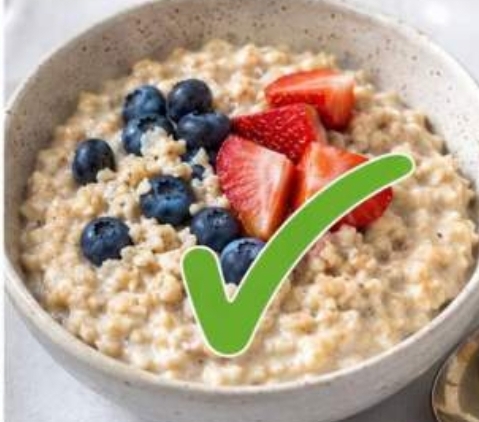
The bowl on the screen isn’t the point. The point is what happens when breakfast stops acting like a sugar bomb and starts behaving like a brake pedal.
One wrong plate and your morning turns into a bloodstream roller coaster. You eat, then the fog rolls in, your hands feel heavy, and by mid-morning the hunger comes back like a thief with a crowbar.
That is not weakness. That is a system that’s been hammered by too much fast-digesting fuel and too little fiber, protein, and fat to slow the blast.
The food industry loves loud labels and quiet consequences. What it rarely shouts is that your body already knows how to keep glucose steadier — it just needs the right raw material at the right time.
The Morning Brake Pedal Your Blood Sugar Has Been Missing
The first thing these breakfasts do is slow the sugar surge. Eggs bring protein and almost no carbs; Greek yogurt adds protein plus a creamy base that doesn’t slam your system; chia seeds swell into a gel that drags digestion into a slower gear.
Think of your stomach like a loading dock. White bread, sweet cereal, and juice send boxes flying down the belt all at once. Protein, fiber, and healthy fats turn that same belt into a controlled conveyor line, so glucose doesn’t flood your bloodstream like a busted fire hydrant.
That matters because a rushed glucose wave forces your body to work overtime just to stay level. When breakfast is built right, the day starts with control instead of cleanup.
And that shift is felt, not just measured. The first thing people notice is that the 10 a.m. slump stops ambushing them like a trapdoor under the floor.
Why Eggs Hit So Hard for Diabetic Breakfasts
Eggs are the blunt instrument in this lineup: simple, fast, and brutally effective. They deliver concentrated protein that keeps hunger quiet and helps prevent the “I just ate and I’m already hunting for snacks” spiral.
Picture a morning where your blood sugar usually behaves like a loose shopping cart slamming into every aisle. Eggs lock the wheels. Add spinach, mushrooms, or peppers, and you’re not just filling a plate — you’re building a slower, sturdier launchpad for the whole day.
That’s why a veggie omelet feels so different from a pastry breakfast. One feeds the body; the other feeds the spike.
Wall Street doesn’t build empires around eggs and spinach. That’s exactly why the simplest fix gets buried under ads for processed “energy” foods that leave your numbers looking like a crime scene.
Why Greek Yogurt and Blueberries Calm the Morning Surge
Greek yogurt with blueberries works like a two-part lock. The yogurt brings protein and a thick, satisfying base; the blueberries bring fiber and flavor without the syrupy blast that sends glucose rocketing.
Now add a handful of crushed walnuts or almonds and the whole thing becomes a shield. Healthy fats slow the exit of sugar from the stomach, like a bouncer at the door refusing to let the crowd stampede all at once.
For someone with diabetes, that means breakfast stops feeling like a gamble. You eat, you stay full, and the rest of the morning doesn’t unravel into cravings, irritability, and the weird shaky edge that shows up when your body is chasing balance.
Why women often notice the difference first: the energy dip that used to arrive before lunch gets pushed back, and the pantry stops calling their name every hour like an alarm with no off switch.
The Chia Pudding Effect: The Belly Gel That Slows Everything Down
Chia seeds are tiny, but they behave like a sponge dropped into a sink full of water. They swell, thicken, and turn breakfast into a slow-release system instead of a fast-burning fuse.
That gel-like fiber changes the whole experience inside the gut. It turns the meal into a traffic jam for sugar, which means less of that sharp up-and-down ride that leaves people drained and hungry again before the coffee is cold.
Blueberry chia pudding also hits another target: the forgotten second brain in your belly. When the gut is fed with fiber and healthy fats, it stops sending out the kind of chaotic hunger signals that make people raid the kitchen at night and wake up swollen, tired, and off-balance.
Over time, the pattern gets clearer: fewer cravings, fewer crashes, and a morning that feels less like damage control.
Why Oatmeal and Avocado Toast Still Make the Cut
Oatmeal earns its place because of beta glucan, a fiber that behaves like a thick net in moving water. It doesn’t let carbs rush through like a stampede; it slows the whole current.
That’s why oatmeal feels different from a bowl of sugary cereal. The fiber wraps around the meal and forces a steadier release, especially when you stack it with cinnamon, berries, nuts, or Greek yogurt.
Avocado toast does something similar, but from the fat side. Avocado coats the meal with monounsaturated fats that blunt the glycemic punch of the bread, while multigrain bread adds enough fiber to keep the whole thing from turning into a glucose grenade.
For men, this often shows up as cleaner morning energy without the heavy, foggy crash that used to hit after breakfast. For women, it often feels like fewer snack attacks and a steadier mood that doesn’t buckle under the first stressful email of the day.
The Smoothie and Cottage Cheese Move Nobody Brags About
A low-carb smoothie works when it stops pretending to be dessert. Half an avocado, unsweetened almond milk, Greek yogurt, and protein powder turn the blender into a fuel factory instead of a sugar cannon.
Cottage cheese does the same thing in a spoonable form. It’s dense, cold, protein-heavy, and strangely powerful at shutting down the “I need something else” feeling that follows a weak breakfast.
Think of them as the emergency brakes for mornings that usually run away from you. One keeps the engine from revving too high; the other keeps the tank from emptying before noon.
The cheapest fix gets the least airtime. That’s why these foods are treated like boring grocery items when they’re really blood sugar tools hiding in plain sight.
P.S.
One common habit wrecks the whole setup: pairing these foods with a sweet coffee drink, fruit juice, or a big drizzle of honey. That turns a steady breakfast into a sugar ambush, and the body pays for it before the morning is over.
Keep the plate steady, and the next lever gets even more interesting: the mineral that helps your cells answer insulin instead of ignoring it