
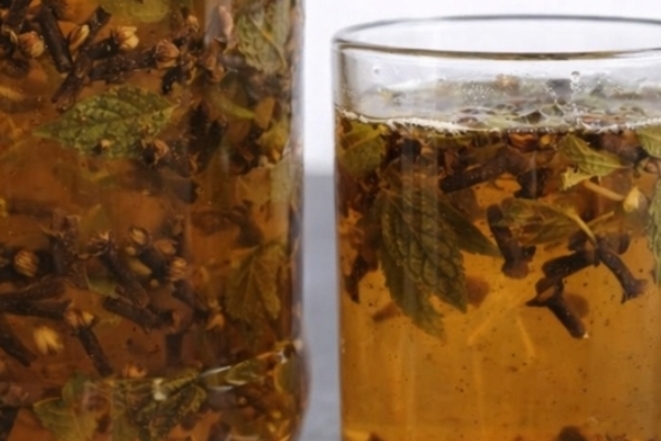
Ginger and Clove are two widely used spices with a long history in traditional wellness systems across Asia, Africa, and the Middle East. When combined, they create a warm, aromatic infusion that many people enjoy for both flavor and potential health-supporting properties.
Let’s look at what science actually suggests.
What Are Ginger and Cloves?
Ginger is a rhizome (underground stem) known for its spicy, warming flavor. It contains bioactive compounds such as gingerols and shogaols, which have been studied for antioxidant and anti-inflammatory effects.
Cloves are dried flower buds from the Syzygium aromaticum tree. They are rich in eugenol, a compound known for antioxidant, antimicrobial, and mild analgesic properties.
Potential Health Benefits of Ginger and Clove Infusion
While this tea is not a cure or treatment for disease, research and traditional use suggest several supportive benefits.
1. Rich in Antioxidants
Both spices contain compounds that help neutralize free radicals in the body. Cloves are especially high in antioxidant capacity due to eugenol, while ginger contributes additional protective phytochemicals.
Antioxidants play a role in supporting healthy aging and overall cellular function.
2. Anti-Inflammatory Support
Ginger has been studied for its ability to help reduce inflammatory markers, particularly in conditions involving joint discomfort. Cloves also contain compounds that may modulate inflammatory pathways.
These effects are generally mild but can contribute to overall wellness when part of a balanced lifestyle.
3. Digestive Comfort
Ginger is well known for supporting digestion and helping relieve nausea, bloating, and mild stomach discomfort. It’s often used for motion sickness and pregnancy-related nausea (in moderate, medically supervised amounts).
Cloves have traditionally been used to ease gas and digestive upset. Together, they create a soothing post-meal beverage.
4. Immune System Support
Both ginger and cloves show antimicrobial activity in laboratory studies. While drinking the infusion won’t prevent illness, the compounds may help support the body’s natural defenses as part of a healthy routine that includes sleep, nutrition, and hydration.
5. Metabolism and Weight Management
Some small studies suggest ginger may slightly increase thermogenesis (heat production) and promote satiety. However, effects are modest and should not be viewed as a weight-loss solution.
Sustainable weight management still depends primarily on balanced diet, physical activity, sleep, and overall lifestyle.
How to Make Ginger and Clove Infusion
Ingredients:
- 2–3 cm fresh ginger root
- 3–5 whole cloves
- 2 cups water
- Optional: honey or lemon
Instructions:
- Peel and slice the ginger thinly.
- Bring water to a boil.
- Add ginger and cloves.
- Reduce heat and simmer for 10–15 minutes.
- Strain into a cup.
- Add honey or lemon if desired.
Drink warm. Many people enjoy it once daily, especially during colder seasons.
Safety and Precautions
Although generally safe in culinary amounts:
- Large amounts of ginger may cause heartburn or stomach upset.
- Both ginger and cloves may have mild blood-thinning effects.
- People taking anticoagulant medication, those with bleeding disorders, or individuals preparing for surgery should consult a healthcare provider.
- Pregnant individuals should seek medical advice before frequent use.
Moderation is key.
Final Thoughts
Ginger and clove infusion is a simple, affordable, and flavorful way to incorporate antioxidant-rich spices into your routine. While it’s not a miracle remedy, it may offer gentle digestive, anti-inflammatory, and immune-supporting benefits when combined with a healthy lifestyle.
Enjoy it as a comforting daily ritual — warm, aromatic, and rooted in centuries of traditional use.