
Introduction
Prepare to be enchanted by a baking legend: THE FAMOUS 6 CUP CAKE! This isn’t just any cake; it’s a testament to the beauty of simplicity and the power of a perfectly balanced recipe. What makes it so famous? Its ingenious design, relying on equal parts of its core ingredients (often measured in cups, hence the name), guarantees a consistently moist, tender, and utterly delicious result every single time. It’s the kind of cake that evokes childhood memories, comforting aromas, and the joy of a homemade treat.
The magic of the 6 Cup Cake lies in its unwavering reliability. It’s the ultimate beginner-friendly recipe, forgiving enough for novice bakers yet sophisticated enough to impress even the most discerning palates. Whether you’re a seasoned pro looking for a foolproof classic or just starting your baking journey, this cake promises success. Its rich, buttery flavor and delightful crumb make it incredibly versatile, perfect for any occasion from a casual afternoon tea to a festive family gathering. Get ready to discover your new favorite go-to cake recipe!
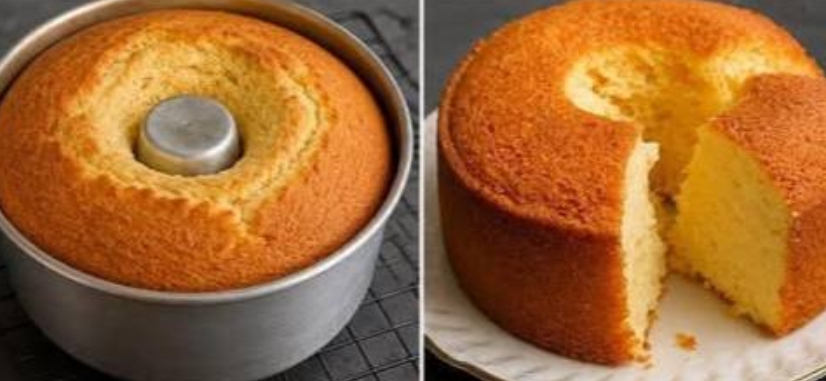
This remarkable cake, often baked in a tube or Bundt pan, boasts a dense yet delightfully soft texture, akin to a pound cake but with its own unique charm. Its “fame” isn’t just about its deliciousness; it’s also about its elegant presentation and the sheer ease with which such a magnificent dessert can be created from such humble beginnings. The 6 Cup Cake is more than just a recipe; it’s a celebration of classic baking principles, offering a slice of pure, unadulterated comfort with every bite. Let’s dive into creating this iconic dessert that will undoubtedly become a treasured staple in your kitchen.
Nutritional Information
Per serving (approximate values):
- Calories: 450
- Protein: 6g
- Carbohydrates: 55g
- Fat: 24g
- Fiber: 1g
- Sodium: 250mg
Ingredients
- 2 cups (4 sticks) unsalted butter, softened
- 2 cups granulated sugar
- 2 cups large eggs (approximately 4 large eggs)
- 2 cups all-purpose flour, sifted
- 1 teaspoon baking powder
- 1 teaspoon salt
- 1 tablespoon pure vanilla extract
- 1/2 cup whole milk, at room temperature
- Confectioners’ sugar for dusting (optional)
Instructions
- Preheat your oven to 325°F (160°C). Generously grease and flour a 10-inch tube pan or Bundt pan, ensuring every crevice is coated to prevent sticking.
- In a large mixing bowl, using an electric mixer on medium speed, cream together the softened unsalted butter and granulated sugar until the mixture is light, fluffy, and pale in color. This process should take about 5-7 minutes, ensuring that air is incorporated for a tender cake.
- Add the eggs one at a time, beating well after each addition. Make sure each egg is fully incorporated into the butter mixture before adding the next. This step is crucial for emulsification and achieving a smooth batter.
- In a separate medium bowl, whisk together the sifted all-purpose flour, baking powder, and salt. Sifting the flour helps to prevent lumps and ensures a lighter texture.
- Gradually add the dry ingredients to the wet ingredients, alternating with the whole milk. Begin and end with the flour mixture. Add about one-third of the flour mixture, mix on low speed until just combined, then add half of the milk, mix until just combined. Repeat with another third of the flour, the remaining milk, and finally the last third of the flour. Be careful not to overmix the batter once the flour is added, as this can lead to a tough cake. Mix only until the ingredients are just incorporated.
- Stir in the pure vanilla extract until evenly distributed throughout the batter.
- Pour the prepared cake batter evenly into the greased and floured tube or Bundt pan. Gently tap the pan on the counter a few times to release any air bubbles and ensure an even surface.
- Bake for 60-75 minutes, or until a wooden skewer or toothpick inserted into the center of the cake comes out clean. The cake should be golden brown on top and spring back lightly when touched. Baking times can vary depending on your oven, so keep an eye on it.
- Once baked, remove the cake from the oven and let it cool in the pan on a wire rack for 15-20 minutes. This allows the cake to set and prevents it from sticking when inverted.
- After cooling in the pan, carefully invert the cake onto a wire rack to cool completely. Allowing the cake to cool fully before slicing is essential for a clean cut and ideal texture.
- Once completely cooled, you can dust the cake with confectioners’ sugar for a simple yet elegant presentation, or serve it plain to let its rich flavor shine.
Cooking Tips and Variations
For the ultimate 6 Cup Cake experience, always ensure all your cold ingredients, especially butter, eggs, and milk, are at room temperature. This allows them to emulsify properly, creating a smooth, homogenous batter that bakes into a consistently tender and moist cake. If your butter isn’t soft enough, you can cut it into smaller pieces and let it sit for a bit, or gently microwave it for a few seconds (be careful not to melt it). For eggs, place them in a bowl of warm water for 10 minutes. Sifting your flour is also a game-changer, preventing lumps and ensuring a light, airy crumb.
Do not overmix the batter once the flour is added. Overmixing develops the gluten in the flour, leading to a tough and dry cake. Mix only until the ingredients are just combined. When greasing and flouring your tube or Bundt pan, be meticulous. Use solid shortening or butter, coating every nook and cranny, then dust thoroughly with flour, tapping out any excess. This is crucial for easy release and a beautifully intact cake. If you’re concerned about sticking, you can also use a baking spray with flour.
To vary the flavor of your 6 Cup Cake, the possibilities are endless! For a citrus twist, add the zest of one lemon or orange to the sugar before creaming it with the butter. This releases the oils and infuses the cake with vibrant flavor. You could also substitute half a cup of milk with buttermilk for a slightly tangier and even more tender crumb. For a richer chocolate version, replace 1/4 cup of the flour with unsweetened cocoa powder and add 1/2 cup of chocolate chips to the batter. A hint of almond extract alongside the vanilla can also add a sophisticated depth of flavor. For a festive touch, fold in dried cranberries and pecans or walnuts.
Ensuring even baking is key, especially in a tube or Bundt pan. If you notice one side of your oven bakes hotter, rotate the pan halfway through the baking time. Always rely on the toothpick test for doneness: insert a wooden skewer into the deepest part of the cake; if it comes out clean with no wet batter, it’s ready. If it has a few moist crumbs, that’s usually perfect. If it’s still wet, continue baking for a few more minutes. Resist the urge to open the oven door frequently, especially during the first 45 minutes, as this can cause the cake to sink.
Storage and Reheating
To keep your Famous 6 Cup Cake fresh and moist, store it at room temperature, tightly covered with plastic wrap or in an airtight cake keeper. This will help prevent it from drying out. If your kitchen is particularly warm or humid, or if the cake contains any perishable fillings or frostings (which this basic recipe does not), you may choose to store it in the refrigerator. However, for plain cake, room temperature storage is generally preferred as refrigeration can sometimes alter the texture, making it a bit firmer.
When stored properly at room temperature, the 6 Cup Cake will remain delicious for 3-4 days. In the refrigerator, it can last for up to a week. If you need to store it for a longer period, this cake freezes beautifully. To freeze, ensure the cake is completely cooled. Wrap it tightly in several layers of plastic wrap, then an additional layer of aluminum foil. You can freeze the whole cake or individual slices. Label with the date. Frozen, it will maintain its quality for up to 3 months. Thaw frozen cake overnight in the refrigerator or at room temperature for a few hours before serving.
Reheating this cake is usually not necessary, as it’s best enjoyed at room temperature. However, if you prefer a warm slice, especially if serving with ice cream or a warm sauce, you can gently warm individual slices. Place a slice on a microwave-safe plate and microwave on high for 15-20 seconds, or until just warm. Be careful not to overheat, as this can dry out the cake. Alternatively, you can warm slices in a preheated oven at 250°F (120°C) for about 5-10 minutes, wrapped loosely in foil to prevent drying.
Frequently Asked Questions
What does “6 Cup Cake” mean?
The name “6 Cup Cake” refers to the traditional method of using equal parts (often 2 cups each) of its core ingredients: butter, sugar, eggs, and flour. This simple ratio makes it incredibly easy to remember and ensures a perfectly balanced, consistently delicious cake every time. It’s a testament to the simplicity and reliability of classic baking.
Can I make this cake in different pans?
While a tube or Bundt pan is traditional and recommended for its even baking and beautiful presentation, you can adapt this recipe for other pans. For a 9×13-inch rectangular pan, the baking time will likely be shorter, around 40-50 minutes. For two 8 or 9-inch round cake pans, baking time will be similar, approximately 30-40 minutes. Always adjust baking time and monitor for doneness with the toothpick test, as pan sizes and shapes affect how the cake bakes.
Why did my cake sink in the middle?
Several factors can cause a cake to sink. Common culprits include opening the oven door too early (especially during the first two-thirds of baking), underbaking (the center wasn’t fully cooked), overmixing the batter (which creates too much air that then collapses), or using too much leavening agent. Ensure your oven temperature is accurate and resist opening the door until the cake is nearly done.
Can I add fruit or nuts to this cake?
Absolutely! The 6 Cup Cake is a wonderful base for additions. You can gently fold in 1 cup of fresh or frozen berries (tossed lightly in a tablespoon of flour to prevent sinking), chopped nuts like pecans or walnuts, or even chocolate chips into the batter just before pouring it into the pan. This adds delightful texture and flavor variations to the classic recipe.